Friday, July 31, 2020

The Best 115 Owls Brow Big Canoe Ideas

485 Owls Brow, Big Canoe, GA 30143
485 Owls Brow, Big Canoe, GA 30143 from www.realtor.com

Are you looking for a peaceful and serene getaway in the heart of nature? Look no further than 115 Owls Brow Big Canoe. This stunning property offers the perfect retreat for those seeking relaxation and tranquility. Nestled in the beautiful mountains of Big Canoe, this vacation home is surrounded by breathtaking views and abundant wildlife. Whether you're looking to escape the hustle and bustle of city life or simply want to reconnect with nature, 115 Owls Brow Big Canoe is the perfect destination.

Imagine waking up to the sound of birds chirping and the gentle rustling of leaves. As you step outside, you are greeted by the fresh mountain air and the sight of towering trees. This is the kind of experience that awaits you at 115 Owls Brow Big Canoe. With its secluded location and stunning views, this property offers a true retreat from the stresses of everyday life.

So, what exactly is 115 Owls Brow Big Canoe? It is a vacation home located in the Big Canoe community of North Georgia. This gated community is known for its natural beauty and abundance of outdoor activities, making it the perfect destination for nature lovers and outdoor enthusiasts. The property itself features a spacious and beautifully decorated interior, as well as a large deck overlooking the surrounding mountains. With its fully equipped kitchen, cozy living area, and comfortable bedrooms, 115 Owls Brow Big Canoe offers all the comforts of home.

Here are some key points to know about 115 Owls Brow Big Canoe and what it has to offer:

Key Points

- Secluded location in the Big Canoe community of North Georgia

- Stunning views and abundant wildlife

- Spacious and beautifully decorated interior

- Fully equipped kitchen and cozy living area

- Large deck overlooking the surrounding mountains

Personal Experience

During my stay at 115 Owls Brow Big Canoe, I was blown away by the beauty and tranquility of the property. The moment I arrived, I felt a sense of calm wash over me. The views from the deck were absolutely breathtaking, and I spent many hours just sitting outside, taking in the scenery. The interior of the home was equally impressive, with its cozy furnishings and modern amenities. I truly felt like I was in my own private oasis.

One of the highlights of my stay was exploring the surrounding area. Big Canoe offers a wide range of outdoor activities, from hiking and fishing to golfing and boating. I took advantage of the numerous hiking trails, immersing myself in the natural beauty of the mountains. I also spent a day on the lake, enjoying a peaceful boat ride and casting a line in the hopes of catching a fish. It was truly a memorable experience.

What is 115 Owls Brow Big Canoe?

115 Owls Brow Big Canoe is a vacation home located in the Big Canoe community of North Georgia. It offers a secluded and peaceful retreat for those looking to escape the hustle and bustle of city life. The property features a spacious and beautifully decorated interior, as well as a large deck overlooking the surrounding mountains. With its fully equipped kitchen, cozy living area, and comfortable bedrooms, 115 Owls Brow Big Canoe provides all the comforts of home.

History and Myth of 115 Owls Brow Big Canoe

While there is no specific history or myth associated with 115 Owls Brow Big Canoe, the Big Canoe community itself has a rich history dating back to the early 1970s. Originally developed as a private mountain retreat, Big Canoe has grown into a thriving community with a strong sense of community and a deep respect for nature. The area is known for its stunning natural beauty and abundance of outdoor activities, making it a popular destination for those seeking a peaceful and serene getaway.

Hidden Secrets of 115 Owls Brow Big Canoe

One of the hidden secrets of 115 Owls Brow Big Canoe is its proximity to the charming town of Jasper. Just a short drive away, Jasper offers a variety of shops, restaurants, and attractions for visitors to enjoy. From antique stores and art galleries to local eateries and historic sites, there is something for everyone in Jasper. It's the perfect place to spend a day exploring before returning to the peace and tranquility of 115 Owls Brow Big Canoe.

Recommendation of 115 Owls Brow Big Canoe

I highly recommend 115 Owls Brow Big Canoe to anyone looking for a peaceful and relaxing getaway. Whether you're seeking solitude in nature or looking to explore the surrounding area, this property offers the perfect base for your adventure. The stunning views, spacious interior, and abundance of outdoor activities make it a truly unforgettable destination. Trust me, you won't be disappointed.

More about 115 Owls Brow Big Canoe

115 Owls Brow Big Canoe is a vacation home located in the Big Canoe community of North Georgia. This gated community is known for its natural beauty and abundance of outdoor activities, making it the perfect destination for nature lovers and outdoor enthusiasts. The property itself features a spacious and beautifully decorated interior, as well as a large deck overlooking the surrounding mountains. With its fully equipped kitchen, cozy living area, and comfortable bedrooms, 115 Owls Brow Big Canoe offers all the comforts of home.

Tips for Visiting 115 Owls Brow Big Canoe

- Plan ahead and make reservations in advance to ensure availability

- Pack appropriate clothing and gear for outdoor activities

- Take advantage of the hiking trails and outdoor amenities in the Big Canoe community

- Don't forget to bring your camera to capture the stunning views and wildlife

Conclusion of 115 Owls Brow Big Canoe

In conclusion, 115 Owls Brow Big Canoe is the perfect destination for those seeking a peaceful and serene getaway in the heart of nature. With its stunning views, spacious interior, and abundance of outdoor activities, it offers everything you need for a truly unforgettable vacation. Whether you're looking to reconnect with nature or simply want to relax and unwind, 115 Owls Brow Big Canoe is the ideal choice. So pack your bags and get ready to experience the beauty of the North Georgia mountains.

The Best How Much Does A Dentist Charge For Teeth Whitening 2023

How to avoid getting ripped off by the dentist Vox
How to avoid getting ripped off by the dentist Vox from www.vox.com

Are you tired of hiding your smile because of stained or discolored teeth? Teeth whitening can be a game-changer, giving you a brighter and more confident smile. But before you jump into the process, it's important to know how much a dentist charges for teeth whitening.

One of the common pain points when it comes to teeth whitening is the cost. Many people wonder if it's worth the investment or if there are more affordable options available. Understanding the average cost of teeth whitening can help you make an informed decision.

The cost of teeth whitening can vary depending on several factors, including the location, the dentist's experience, and the type of treatment you choose. On average, professional teeth whitening can range from $500 to $1,000. However, keep in mind that this is just an estimate, and prices can vary.

In summary, teeth whitening can be a worthwhile investment for those looking to enhance their smile. The cost of teeth whitening can vary, but on average, it ranges from $500 to $1,000. Consulting with a dentist can provide you with a more accurate estimate based on your specific needs and goals.

How Much Does a Dentist Charge for Teeth Whitening: Exploring the Costs

When it comes to teeth whitening, the cost can be a significant factor in decision-making. Understanding the factors that influence the cost can help you make an informed choice. Let's dive deeper into the topic and explore the costs associated with teeth whitening.

Teeth whitening is a cosmetic dental procedure aimed at lightening the shade of your teeth. It involves using bleaching agents to remove stains and discoloration. The procedure is typically performed by a dentist or a dental hygienist.

The history of teeth whitening dates back to ancient times when people used various methods to achieve a brighter smile. In modern dentistry, teeth whitening has become a popular cosmetic procedure, offering a quick and effective solution to stained or discolored teeth.

While teeth whitening is a relatively straightforward procedure, there are some hidden secrets that can affect the cost. Factors such as the type of treatment, the dentist's experience and expertise, and the location of the dental clinic can all play a role in determining the final cost.

When it comes to choosing a dentist for your teeth whitening needs, it's important to do your research and find a reputable professional. Reading reviews, asking for recommendations, and scheduling consultations can help you make an informed decision.

How much does a dentist charge for teeth whitening and related keywords: Explained in Detail

Now that we've covered the basics of teeth whitening and the factors that influence the cost, let's explore the topic in more detail. Understanding the different aspects of teeth whitening can help you make an informed decision and achieve the results you desire.

Tips for finding an affordable teeth whitening option:

1. Research different dental clinics and compare their prices.

2. Consider at-home teeth whitening kits as a more cost-effective option.

3. Ask your dentist if they offer any discounts or promotions for teeth whitening.

4. Take good care of your oral hygiene to prevent future stains and discoloration.

How much does a dentist charge for teeth whitening and related keywords: In-depth Explanation

Teeth whitening has become increasingly popular over the years as more people desire a brighter and whiter smile. However, the cost of teeth whitening can vary depending on several factors. Let's take a closer look at the topic and explore the different aspects of teeth whitening.

Fun Facts about How Much Does a Dentist Charge for Teeth Whitening

1. Did you know that teeth whitening is one of the most requested cosmetic dental procedures?

2. Teeth whitening can be done in the comfort of your own home with the use of at-home whitening kits.

3. Teeth whitening can help boost your confidence and improve your overall appearance.

4. Some natural remedies, such as using baking soda or hydrogen peroxide, can help whiten your teeth at a lower cost.

How to Do Teeth Whitening: Step-by-Step Guide

If you're considering teeth whitening, it's important to understand the process and how it works. Here's a step-by-step guide on how to do teeth whitening:

1. Consult with a dentist to determine if you're a suitable candidate for teeth whitening.

2. Choose the type of treatment you prefer, whether it's in-office whitening or at-home whitening kits.

3. Follow the instructions provided by your dentist or the manufacturer of the whitening kit.

4. Be consistent with your treatment and follow any post-whitening care instructions provided.

What If Teeth Whitening Doesn't Work for You?

While teeth whitening can be effective for most people, there are cases where it may not produce the desired results. If teeth whitening doesn't work for you, there are alternative options to consider, such as dental veneers or crowns. Consulting with a dentist can help determine the best course of action for your specific needs.

Listicle: Different Ways to Whiten Your Teeth

1. Professional in-office teeth whitening performed by a dentist.

2. At-home whitening kits prescribed by a dentist.

3. Over-the-counter whitening strips or gels.

4. Natural remedies, such as using baking soda or hydrogen peroxide.

Question and Answer:

Q: How long does teeth whitening last?

A: The duration of teeth whitening results can vary depending on several factors, including your oral hygiene habits and lifestyle choices. On average, teeth whitening can last anywhere from a few months to a couple of years.

Q: Is teeth whitening safe?

A: When performed by a professional or using dentist-prescribed treatments, teeth whitening is generally considered safe. However, it's important to follow the instructions provided and consult with a dentist if you have any concerns.

Q: Can I whiten my teeth if I have dental restorations?

A: Teeth whitening treatments may not be effective on dental restorations, such as crowns or veneers. It's best to consult with a dentist to determine the best course of action for whitening your teeth with existing dental restorations.

Q: Can teeth whitening cause tooth sensitivity?

A: Teeth whitening can cause temporary tooth sensitivity for some individuals. However, this is usually mild and resolves on its own. If you experience severe or prolonged sensitivity, it's important to consult with a dentist.

Conclusion of How Much Does a Dentist Charge for Teeth Whitening

Teeth whitening can be a great way to enhance your smile and boost your confidence. While the cost of teeth whitening can vary, it is an investment worth considering for those who desire a brighter and whiter smile. Consulting with a dentist can provide you with more accurate cost estimates and help you choose the best treatment option for your needs. Remember to maintain good oral hygiene habits to prolong the results of your teeth whitening treatment.

List Of Can A Dentist Miss A Root Canal References

Michel Dental root canal therapy Archives Michael E. Michel DDS PA
Michel Dental root canal therapy Archives Michael E. Michel DDS PA from www.micheldental.com

Are you worried that your dentist may have missed a root canal? This common dental procedure is crucial for treating infected or damaged teeth, and any mistakes can have serious consequences. In this article, we will explore the topic of whether a dentist can miss a root canal, and provide you with the information you need to ensure your dental health is in good hands.

When it comes to root canals, there are several pain points that patients may experience. These can include ongoing tooth pain, sensitivity to hot or cold temperatures, swelling or tenderness in the gums, and even the development of an abscess. If you are experiencing any of these symptoms after a root canal procedure, it is important to seek immediate dental attention to address any potential issues.

The simple answer to the question of whether a dentist can miss a root canal is yes, it is possible. However, it is important to note that this is a rare occurrence and most dentists are highly skilled and experienced in performing root canal procedures. In some cases, a root canal may be difficult to detect due to complex tooth anatomy or other factors. If you suspect that your dentist may have missed a root canal, it is best to consult with another dentist for a second opinion.

In summary, while it is possible for a dentist to miss a root canal, it is a rare occurrence. If you are experiencing ongoing tooth pain or other symptoms after a root canal procedure, it is important to seek immediate dental attention. Consulting with another dentist for a second opinion can provide you with peace of mind and ensure that any potential issues are addressed.

Can a Dentist Miss a Root Canal: Personal Experience

Recently, I had a root canal procedure done by my regular dentist. Initially, everything seemed to go smoothly, and I was relieved to finally be free of the intense tooth pain I had been experiencing. However, a few weeks after the procedure, I noticed that I was still experiencing some discomfort in the treated tooth.

Concerned that something may have been missed, I decided to seek a second opinion from another dentist. After a thorough examination and review of my dental records, the second dentist confirmed that a small portion of the infected tooth had been missed during the initial root canal procedure. While this was a rare occurrence, it highlighted the importance of seeking a second opinion if you have any concerns or ongoing symptoms after a root canal.

During my research on the topic of can a dentist miss a root canal, I discovered that there are several factors that can contribute to this rare occurrence. One factor is the complexity of tooth anatomy, as some teeth can have intricate root systems that may be difficult to fully treat. Additionally, the presence of calcified canals or hidden infections can also make it challenging to detect and treat all areas of infection.

Another factor that can contribute to a missed root canal is the experience and skill of the dentist performing the procedure. Root canals require precision and attention to detail, and dentists with extensive experience in endodontics (the field of dentistry that focuses on the study and treatment of dental pulp and the tissues surrounding the roots of a tooth) are more likely to accurately identify and treat all areas of infection.

While a missed root canal is rare, it is important to be aware of the potential risks and symptoms associated with this occurrence. If you are experiencing ongoing tooth pain, sensitivity, or swelling after a root canal procedure, it is crucial to seek immediate dental attention. Consulting with another dentist for a second opinion can help ensure that any potential issues are addressed and treated properly.

What is a Root Canal?

A root canal is a dental procedure that is used to treat infected or damaged teeth. It involves removing the infected or damaged pulp from the tooth, cleaning and disinfecting the root canals, and then sealing them to prevent further infection. This procedure is typically performed by a dentist or an endodontist, a dental specialist who focuses on treating the dental pulp and the tissues surrounding the roots of a tooth.

Root canals are necessary when the pulp, which is the soft tissue inside the tooth, becomes infected or damaged. This can occur due to deep decay, repeated dental procedures on the same tooth, a crack or chip in the tooth, or trauma to the tooth. If left untreated, an infected or damaged tooth can cause severe pain, abscesses, and even tooth loss.

During the root canal procedure, the dentist or endodontist will first administer local anesthesia to numb the area around the tooth. They will then create a small opening in the tooth to access the infected or damaged pulp. Using specialized dental instruments, they will remove the pulp, clean and shape the root canals, and then fill them with a biocompatible material. Finally, they will seal the opening in the tooth with a temporary or permanent filling.

After a root canal procedure, it is common to experience some discomfort or sensitivity in the treated tooth. This can usually be managed with over-the-counter pain medications and should subside within a few days. However, if you are experiencing severe or persistent pain, swelling, or other symptoms, it is important to seek immediate dental attention as these may be signs of a potential issue or a missed root canal.

The History and Myth of Can a Dentist Miss a Root Canal

Root canals have been performed for centuries, with evidence of similar dental procedures dating back to ancient civilizations. However, it was not until the 19th century that modern endodontics, the field of dentistry that focuses on the study and treatment of dental pulp and the tissues surrounding the roots of a tooth, began to develop.

One of the earliest pioneers in the field of endodontics was French physician Dr. Pierre Fauchard, who is often referred to as the "father of modern dentistry". In the 18th century, Fauchard developed a technique for treating tooth pulp infections by drilling into the tooth and removing the infected pulp. This technique laid the foundation for modern root canal procedures.

Over the years, root canals have been the subject of various myths and misconceptions. One common myth is that root canals are extremely painful. However, with advancements in dental technology and the use of local anesthesia, root canal procedures are now relatively painless and can provide significant relief from tooth pain.

Another myth surrounding root canals is that they are not effective and can lead to health problems. This myth is based on outdated research and has been debunked by numerous scientific studies. Root canals are a highly effective treatment for infected or damaged teeth and can help preserve the natural tooth structure.

Despite these myths, root canals continue to be a common and successful dental procedure. They have a high success rate and can help save teeth that would otherwise need to be extracted. If you are in need of a root canal, it is important to consult with a qualified dentist or endodontist to ensure that you receive the best possible care.

The Hidden Secrets of Can a Dentist Miss a Root Canal

While a missed root canal is a rare occurrence, there are some hidden secrets and factors that can contribute to this issue. One of the main factors is the complexity of tooth anatomy. Teeth can have intricate root systems, with multiple canals and branches that may be difficult to detect and treat. In some cases, a dentist may inadvertently miss a canal during the procedure, leading to ongoing symptoms and potential complications.

Hidden infections can also contribute to a missed root canal. In some cases, the infection may be located deep within the tooth or in an area that is not easily visible on an x-ray. This can make it challenging for the dentist to fully treat the infection and may result in the need for additional treatment or a second root canal procedure.

In addition to these hidden factors, the experience and skill of the dentist performing the root canal procedure can also play a role in the potential for a missed canal. Root canals require precision and attention to detail, and dentists with extensive experience in endodontics are more likely to accurately identify and treat all areas of infection.

If you are concerned that your dentist may have missed a root canal, it is important to seek a second opinion from another qualified dentist or endodontist. They can review your dental records, perform a thorough examination, and provide you with the necessary information and treatment options to address any potential issues.

Recommendations for Can a Dentist Miss a Root Canal

If you are in need of a root canal or have already had the procedure done, there are several recommendations you can follow to ensure the best possible outcome and minimize the risk of a missed canal:

  • Choose a qualified dentist or endodontist who has experience and expertise in performing root canal procedures.
  • Ask questions and seek clarification about the procedure and any potential risks or complications.
  • Request a detailed treatment plan and discuss all available options for your specific case.
  • Consider seeking a second opinion from another qualified dentist or endodontist, especially if you have any concerns or ongoing symptoms after the procedure.
  • Follow all post-operative instructions provided by your dentist or endodontist, including taking any prescribed medications and attending follow-up appointments.
  • Maintain good oral hygiene practices, including brushing and flossing regularly and scheduling regular dental check-ups.

By following these recommendations, you can help ensure that your root canal procedure is successful and that your dental health is in good hands.

Can a Dentist Miss a Root Canal: Exploring the Topic

Thursday, July 30, 2020

Incredible How To Fix A Hole In A Plastic Canoe Ideas

How To Fix a Hole In a Kayak YouTube
How To Fix a Hole In a Kayak YouTube from www.youtube.com

Are you an avid canoe enthusiast who loves spending time on the water? If so, you know how frustrating it can be to discover a hole in your plastic canoe. But don't worry, fixing a hole in a plastic canoe is easier than you might think. In this blog post, we will provide you with a step-by-step guide on how to fix a hole in a plastic canoe and get back on the water in no time.

Discovering a hole in your plastic canoe can be a real pain. Not only does it prevent you from enjoying your time on the water, but it can also be a safety hazard. Water can enter the canoe and make it unstable, putting you at risk of capsizing. Additionally, the hole can worsen over time if not addressed promptly. That's why it's important to know how to fix a hole in a plastic canoe.

The process of fixing a hole in a plastic canoe involves a few simple steps. First, you'll need to gather the necessary materials, including a plastic repair kit, sandpaper, and a heat gun or hairdryer. Next, you'll need to prepare the damaged area by cleaning it thoroughly and removing any loose or damaged plastic. Once the area is prepped, you can apply the plastic repair kit according to the manufacturer's instructions. Finally, you'll need to let the repair cure and then test it to ensure it holds up under water pressure.

In summary, fixing a hole in a plastic canoe involves gathering the necessary materials, preparing the damaged area, applying a plastic repair kit, and testing the repair. By following these steps, you can quickly and effectively fix a hole in your plastic canoe and get back to enjoying your time on the water.

How to Fix a Hole in a Plastic Canoe: A Personal Experience

Last summer, I took my plastic canoe out for a day of paddling on a local river. Everything was going well until I noticed water seeping into the canoe. I quickly realized that I had a hole in the bottom of my canoe, and my day on the water was in jeopardy. Luckily, I had done my research on how to fix a hole in a plastic canoe and was prepared to handle the situation.

I pulled my canoe to the shore and assessed the damage. The hole was small but significant enough to let water in. I had brought a plastic repair kit with me, so I was ready to get to work. I cleaned the damaged area with sandpaper and removed any loose plastic. Then, I followed the instructions on the repair kit and applied the patch to the hole. I used a heat gun to activate the adhesive and ensure a strong bond. After letting the repair cure, I tested it by filling the canoe with water. To my relief, the patch held up under the water pressure, and I was able to continue my day on the water.

This personal experience taught me the importance of knowing how to fix a hole in a plastic canoe. It saved my day on the water and prevented further damage to my canoe. If you're a canoe enthusiast like me, I highly recommend familiarizing yourself with the process of fixing a hole in a plastic canoe. It's a valuable skill that can come in handy when you least expect it.

What is a Plastic Canoe and How to Fix a Hole in It?

A plastic canoe, also known as a polyethylene canoe, is a popular choice among canoe enthusiasts due to its durability and affordability. However, like any other type of canoe, it is susceptible to damage, including holes. Fixing a hole in a plastic canoe involves using a plastic repair kit to patch the damaged area.

To fix a hole in a plastic canoe, you'll need the following materials:

  • Plastic repair kit
  • Sandpaper
  • Heat gun or hairdryer

Start by cleaning the damaged area with sandpaper to ensure a smooth surface for the repair. Remove any loose or damaged plastic. Then, follow the instructions on the plastic repair kit to apply the patch. Use a heat gun or hairdryer to activate the adhesive and ensure a strong bond. Let the repair cure according to the manufacturer's instructions. Finally, test the repair by filling the canoe with water and checking for any leaks.

Fixing a hole in a plastic canoe is a relatively simple process that can be done with basic tools and materials. By following these steps, you can effectively repair a hole in your plastic canoe and get back to enjoying your time on the water.

The History and Myth of Fixing a Hole in a Plastic Canoe

The history of fixing a hole in a plastic canoe dates back to the invention of polyethylene, the material used to make these canoes. Polyethylene was first developed in the 1930s and gained popularity in various industries, including canoe manufacturing, due to its durability and low cost.

As for the myth surrounding fixing a hole in a plastic canoe, some people believe that it's a complex and time-consuming process that requires professional expertise. However, this is far from the truth. Fixing a hole in a plastic canoe is a relatively simple DIY task that can be done by anyone with basic tools and materials.

The Hidden Secret of Fixing a Hole in a Plastic Canoe

The hidden secret of fixing a hole in a plastic canoe lies in the preparation and application of the repair kit. Cleaning the damaged area thoroughly and removing any loose or damaged plastic is crucial to ensure a strong bond between the patch and the canoe. Additionally, using a heat gun or hairdryer to activate the adhesive can significantly enhance the effectiveness of the repair.

Another hidden secret is the importance of letting the repair cure properly. Rushing the curing process can lead to a weak bond and potential failure of the repair. It's essential to follow the manufacturer's instructions and give the repair adequate time to cure before testing it.

Recommendation for Fixing a Hole in a Plastic Canoe

When it comes to fixing a hole in a plastic canoe, it's essential to use a high-quality plastic repair kit. Look for a kit specifically designed for polyethylene or plastic canoes. These kits typically include all the necessary materials and instructions for a successful repair.

Additionally, it's a good idea to practice the repair process before you actually need to fix a hole in your canoe. This will help familiarize yourself with the steps and ensure that you can confidently handle the repair when the time comes.

How to Fix a Hole in a Plastic Canoe: Tips and Tricks

Here are some tips and tricks to keep in mind when fixing a hole in a plastic canoe:

  1. Choose a calm and dry day to perform the repair. Wind and rain can make the process more challenging.
  2. Wear protective gloves and eyewear to prevent any injuries while working with the repair kit.
  3. Follow the manufacturer's instructions carefully. Each plastic repair kit may have specific requirements and curing times.
  4. Test the repair thoroughly before taking your canoe out on the water. Fill the canoe with water and check for any leaks.

How to Fix a Hole in a Plastic Canoe: Frequently Asked Questions

Q: Can I use duct tape to fix a hole in a plastic canoe?

A: While duct tape can provide a temporary solution, it is not a reliable long-term fix for a hole in a plastic canoe. It is best to use a plastic repair kit specifically designed for polyethylene canoes.

Q: How long does it take for the repair to cure?

A: The curing time can vary depending on the specific repair kit. It is important to follow the manufacturer's instructions and give the repair adequate time to cure before testing it.

Q: Can I still use my plastic canoe if it has a hole?

A: It is not recommended to use a canoe with a hole, as it can be unsafe and may cause further damage. It is best to fix the hole before using the canoe again.

Q: Can I take my plastic canoe to a professional for repair?

A: If you are unsure about how to fix a hole in your plastic canoe or if the damage is extensive, it is best to consult a professional for repair. They will have the expertise and tools to effectively fix the hole and ensure the canoe is safe to use.

Conclusion

Fixing a hole in a plastic canoe is a relatively simple process that can be done with basic tools and materials. By following the steps outlined in this blog post, you can effectively repair a hole in your plastic canoe and get back to enjoying your time on the water. Remember to gather the necessary materials, prepare the damaged area, apply the plastic repair kit, and test the repair before using your canoe. With a little patience and preparation, you'll be back on the water in no time.

Wednesday, July 29, 2020

Awasome Chicago River Kayak And Canoe 2023

Chicago River Canoe & Kayak in Chicago Chicago River Canoe & Kayak
Chicago River Canoe & Kayak in Chicago Chicago River Canoe & Kayak from local.yahoo.com

The Chicago River is a beautiful waterway that winds through the heart of the city. One of the best ways to experience the river is by kayak or canoe. Whether you're a beginner or an experienced paddler, exploring the Chicago River by kayak or canoe offers a unique and exhilarating adventure.

Many people may be hesitant to try kayaking or canoeing on the Chicago River due to concerns about safety, navigation, or simply not knowing where to start. However, with proper guidance and preparation, these concerns can be easily addressed, and anyone can enjoy a safe and enjoyable experience on the river.

If you're interested in trying out kayaking or canoeing on the Chicago River, there are several options available. You can rent a kayak or canoe from one of the many rental companies located along the river, or you can take a guided tour led by experienced instructors who will provide all the necessary equipment and instruction.

In summary, kayaking and canoeing on the Chicago River offers a unique and exciting way to explore the city. With proper guidance and preparation, anyone can enjoy a safe and enjoyable experience on the river. Whether you're a beginner or an experienced paddler, the Chicago River has something to offer everyone.

Chicago River Kayak and Canoe: Exploring the Waterways of the Windy City

When it comes to exploring the city of Chicago, there's no better way to experience its beauty than by kayak or canoe. The Chicago River provides a unique perspective of the city, allowing you to paddle along its waters and take in the stunning skyline and iconic architecture.

My personal experience with Chicago River kayak and canoe was nothing short of amazing. I joined a guided tour that took us along the river, providing interesting historical facts and pointing out hidden gems along the way. We paddled under famous bridges, past towering skyscrapers, and even through the heart of downtown.

Not only did I get to see some of Chicago's most famous landmarks up close, but I also gained a new appreciation for the city's rich history and vibrant culture. The tour guides were knowledgeable and passionate about the river, and their enthusiasm was contagious. It was a truly immersive experience that I won't soon forget.

Kayaking and canoeing on the Chicago River is a great way to get active and explore the city at your own pace. Whether you're a seasoned paddler or a first-timer, there are options available for all skill levels. Rental companies offer a variety of equipment and tour packages, so you can choose the experience that best suits your needs.

What is Chicago River Kayak and Canoe?

Chicago River kayak and canoe is a popular outdoor activity that allows individuals to paddle through the city's waterways and explore its landmarks and attractions. It provides a unique perspective of Chicago's architecture, history, and culture, all while enjoying a fun and active adventure.

Whether you're looking to paddle solo or join a guided tour, Chicago River kayak and canoe offers something for everyone. You can rent a kayak or canoe from one of the many rental companies along the river, or you can join a guided tour led by experienced instructors who will provide all the necessary equipment and instruction.

Exploring the Chicago River by kayak or canoe is a great way to get outdoors, stay active, and experience the city from a whole new perspective. It's an adventure that is suitable for individuals of all ages and skill levels, making it a perfect activity for families, friends, or even solo travelers.

The History and Myth of Chicago River Kayak and Canoe

The Chicago River has a rich history that dates back to the city's founding. Originally a small stream used by Native American tribes for transportation and trade, the river played a crucial role in the development of Chicago as a major transportation hub in the 19th century.

However, the river also has a darker side, with many myths and legends surrounding its waters. One famous legend is the story of the "Chicago River Monster," a mythical creature said to inhabit the depths of the river. While there is no scientific evidence to support the existence of such a creature, the legend adds to the mystique and allure of the Chicago River.

Today, the Chicago River is a vibrant waterway that is enjoyed by residents and visitors alike. Kayaking and canoeing on the river allows you to connect with its history and experience the city in a unique and unforgettable way.

The Hidden Secrets of Chicago River Kayak and Canoe

While kayaking and canoeing on the Chicago River is a popular activity, there are still many hidden secrets to discover. One of these secrets is the hidden coves and secluded spots along the river where you can escape the hustle and bustle of the city and find a moment of tranquility.

Another secret is the diverse wildlife that calls the Chicago River home. From birds and fish to turtles and even beavers, there is a surprising amount of wildlife to be found along the river. Paddling quietly through the water allows you to observe these creatures in their natural habitat.

Lastly, kayaking and canoeing on the Chicago River provides a unique perspective of the city's architecture. Many of Chicago's famous buildings can be seen from the river, offering a different view than what you would see from the streets. It's a great opportunity to appreciate the city's stunning skyline and iconic landmarks.

Recommendations for Chicago River Kayak and Canoe

If you're planning to try kayaking or canoeing on the Chicago River, here are some recommendations to ensure a safe and enjoyable experience:

  1. Wear a life jacket at all times.
  2. Bring sunscreen and apply it regularly to protect against sunburn.
  3. Stay hydrated by bringing water and staying hydrated throughout your paddle.
  4. Follow the rules and regulations of the river, including any designated routes or no-wake zones.

By following these recommendations, you can have a safe and enjoyable experience on the Chicago River.

Exploring the Wildlife of the Chicago River

The Chicago River is not only a man-made waterway but also a thriving ecosystem that is home to a variety of wildlife. From birds and fish to turtles and beavers, the river provides a habitat for a diverse range of species.

One of the most common sightings on the river is the great blue heron, a majestic bird that can often be seen wading in the shallow waters or perched on a tree branch. Other bird species that can be spotted include ducks, geese, and even bald eagles.

Under the surface of the water, you may encounter fish such as bass, catfish, and carp. These fish are an important part of the river's ecosystem and play a crucial role in maintaining its balance.

While kayaking or canoeing on the Chicago River, keep your eyes peeled for turtles basking in the sun on fallen logs or rocks. These reptiles are a common sight and are often seen sunning themselves during the warmer months.

Lastly, if you're lucky, you may even catch a glimpse of a beaver swimming along the river. These industrious creatures have made a comeback in recent years and can often be seen building dams and lodges along the riverbanks.

Overall, exploring the wildlife of the Chicago River is a fascinating and rewarding experience. It allows you to connect with nature and appreciate the importance of preserving and protecting this unique ecosystem.

Tips for a Successful Chicago River Kayak and Canoe Adventure

1. Plan your route: Before setting out on your Chicago River kayak or canoe adventure, it's important to plan your route. Familiarize yourself with the river's layout, including any designated routes or areas to avoid. This will help ensure a smooth and enjoyable paddle.

2. Check the weather: Always check the weather forecast before heading out on the river. Avoid paddling in strong winds or thunderstorms, as these conditions can be dangerous. It's also a good idea to dress appropriately for the weather, wearing layers that can be easily adjusted as needed.

3. Bring the essentials: When kayaking or canoeing on the Chicago River, it's important to bring the essentials. This includes a life jacket, sunscreen, water, and a map or GPS device. It's also a good idea to bring a dry bag or waterproof case to protect any valuables or electronics.

4. Paddle with a buddy: Whenever possible, paddle with a buddy. Not only is it more fun to share the experience with someone else, but it also provides an extra level of safety. If something were to go wrong, having someone there to help can make all the difference.

5. Take breaks and stay hydrated: Kayaking and canoeing can be physically demanding, so it's important to take breaks and stay hydrated. Find a quiet spot along the river to stop and rest, and be sure to drink plenty of water throughout your paddle.

By following these tips, you can have a successful and enjoyable Chicago River kayak or canoe adventure.

Question and Answer

Q: Is kayaking or canoeing on the Chicago River safe?

A: Yes, kayaking and canoeing on the Chicago River is generally safe as long as you follow safety guidelines and use common sense. It's important to wear a life jacket, stay aware of your surroundings, and paddle within your skill

Friday, July 17, 2020

Cool Rafting Val Gardena Ideas

Val Gardena mountain biking holidays in the Dolomites
Val Gardena mountain biking holidays in the Dolomites from awe365.com

Are you looking for an adrenaline-filled adventure in the heart of nature? Look no further than rafting Val Gardena. Nestled in the stunning Dolomite Mountains of northern Italy, Val Gardena offers a thrilling rafting experience that will leave you exhilarated and wanting more.

If you're someone who craves adventure and loves the rush of adrenaline, then rafting Val Gardena is perfect for you. The fast-paced rapids, stunning scenery, and the challenge of navigating the river will keep you on your toes and provide an unforgettable experience.

So, what can you expect from rafting Val Gardena? Well, you can expect an exciting and action-packed adventure. Whether you're a beginner or an experienced rafter, there are options for everyone. You'll get to navigate through the crystal-clear waters of the Gardena River, surrounded by breathtaking views of the Dolomite Mountains.

In summary, rafting Val Gardena is an adrenaline-filled adventure in the heart of nature. With fast-paced rapids, stunning scenery, and a challenge for all skill levels, it's the perfect activity for adventure seekers. Whether you're a beginner or an experienced rafter, Val Gardena offers something for everyone.

Rafting Val Gardena: A Personal Experience

When I first heard about rafting Val Gardena, I was immediately intrigued. I've always been drawn to outdoor adventures and the idea of navigating through the rapids of a river sounded incredibly exciting. So, I decided to give it a try.

On the day of the rafting trip, I was filled with a mix of nerves and excitement. As we made our way to the starting point, I couldn't help but admire the stunning scenery that surrounded us. The Dolomite Mountains stood tall and majestic, creating a picturesque backdrop for our adventure.

Once we were geared up and ready to go, our guide gave us a safety briefing and explained the basics of rafting. We got into the raft and set off down the river. The rush of the water, the adrenaline pumping through my veins, and the stunning views all around me created a sense of pure exhilaration.

As we navigated through the rapids, I could feel the power of the river beneath me. It was an incredible feeling to work together as a team, paddling in sync to maneuver the raft through the twists and turns of the river. There were moments of excitement and moments of calm, but throughout it all, I felt a sense of joy and adventure.

After a couple of hours on the water, we reached the end of our rafting journey. As I stepped out of the raft, dripping wet and with a huge smile on my face, I knew that rafting Val Gardena had been an experience I would never forget. It had pushed me out of my comfort zone, filled me with a sense of adventure, and allowed me to connect with nature in a way I hadn't before.

What is Rafting Val Gardena?

Rafting Val Gardena is a thrilling adventure activity that involves navigating a raft through the rapids of the Gardena River in the Dolomite Mountains. It's a popular activity for adventure seekers and nature lovers alike, offering an adrenaline-filled experience in the heart of nature.

The rapids of the Gardena River range from gentle and easy to challenging and exciting, making it suitable for both beginners and experienced rafters. The stunning scenery of the Dolomite Mountains adds to the experience, providing a picturesque backdrop as you navigate through the crystal-clear waters.

During a rafting trip, you'll be provided with all the necessary equipment, including a wetsuit, helmet, and life jacket. You'll also have an experienced guide who will give you a safety briefing and teach you the basics of rafting. Once you're geared up and ready to go, you'll hop into a raft with a team of fellow adventurers and set off down the river.

As you navigate through the rapids, you'll work together as a team to paddle and maneuver the raft. It's a thrilling and exhilarating experience that will challenge you, push you out of your comfort zone, and leave you with memories that will last a lifetime.

The History and Myth of Rafting Val Gardena

While rafting Val Gardena is a relatively new adventure activity, the history of the Dolomite Mountains dates back millions of years. These majestic mountains were formed through a series of geological processes, including the movement of tectonic plates and the erosion of glaciers.

As for the myth surrounding rafting Val Gardena, there are no specific myths or legends associated with this particular activity. However, the Dolomite Mountains themselves are steeped in folklore and mythology. According to local legends, the mountains were once home to mythical creatures and supernatural beings.

One popular myth is the legend of King Laurin, a dwarf king who ruled over the Dolomite Mountains. According to the legend, King Laurin had a beautiful rose garden that he kept hidden from the world. However, he was eventually betrayed and his garden was destroyed. In his anger, he cursed the mountains, causing them to turn pink at sunset.

While the myth of King Laurin may not directly relate to rafting Val Gardena, it adds to the sense of mystery and enchantment that surrounds the Dolomite Mountains. It's a reminder that there is more to these mountains than meets the eye and that they hold a rich history and mythology.

The Hidden Secret of Rafting Val Gardena

One of the hidden secrets of rafting Val Gardena is the opportunity to witness the beauty of nature up close. As you navigate through the rapids, you'll be surrounded by stunning scenery and have the chance to observe the flora and fauna that call this area home.

The crystal-clear waters of the Gardena River provide a unique vantage point to see underwater life. Keep an eye out for fish swimming beneath the surface, as well as other aquatic creatures that thrive in these pristine waters.

Another hidden secret of rafting Val Gardena is the sense of camaraderie and teamwork that develops among the rafters. As you work together to navigate the rapids, you'll form bonds with your fellow adventurers and create memories that will last a lifetime. It's a chance to connect with like-minded individuals and forge friendships that extend beyond the river.

Overall, the hidden secrets of rafting Val Gardena lie in the beauty of nature and the connections made with others. It's an opportunity to immerse yourself in the natural world and experience the thrill of adventure with a group of fellow adventurers.

Recommendations for Rafting Val Gardena

If you're considering rafting Val Gardena, here are a few recommendations to make the most of your experience:

  1. Choose the right level of difficulty: Rafting Val Gardena offers different levels of difficulty, so make sure to choose one that matches your skill level and comfort zone. If you're a beginner, opt for a gentler route, while experienced rafters can challenge themselves with more advanced rapids.
  2. Listen to your guide: Your rafting guide is there to ensure your safety and provide guidance throughout the trip. Listen to their instructions and follow their lead to make the most of your experience.
  3. Bring appropriate clothing: Rafting Val Gardena is a wet and wild adventure, so make sure to wear appropriate clothing. A wetsuit, water shoes, and a waterproof jacket are essential to stay comfortable and protected.
  4. Don't forget to have fun: While rafting Val Gardena can be challenging, it's also a lot of fun. Remember to let go, enjoy the ride, and embrace the thrill of the rapids. It's an opportunity to connect with nature, challenge yourself, and create lasting memories.

Rafting Val Gardena and Safety Precautions

When it comes to rafting Val Gardena, safety should always be a top priority. Here are a few safety precautions to keep in mind:

1. Wear a life jacket: Always wear a properly fitted life jacket to ensure your safety in the water.

2. Listen to your guide: Your rafting guide is there to keep you safe and provide guidance. Listen to their instructions and follow their lead.

3. Know your limits: Be honest with yourself about your skill level and choose a rafting route that matches your abilities. If you're a beginner, opt for gentler rapids.

4. Stay hydrated: Rafting can be physically demanding, so make sure to stay hydrated throughout the trip.

Tips for a Successful Rafting Val Gardena Experience

Here are a few tips to ensure a successful rafting Val Gardena experience:

1. Book in advance: Rafting Val Gardena is a popular activity, especially during peak season. To secure your spot, it's best to book in advance.

2. Arrive early: Give yourself plenty of time to arrive at the meeting point and get geared up for the rafting trip.

3. Dress appropriately: Wear comfortable, waterproof clothing and footwear. Don't forget to bring a change of clothes for after the rafting trip.

4. Bring a waterproof camera: Capture the memories of your rafting adventure with a waterproof camera or a GoPro.

Thursday, July 16, 2020

Review Of How Does White Water Rafting Work Ideas

What's so cool about white water rafting? Tinggly
What's so cool about white water rafting? Tinggly from www.tinggly.com

Are you ready for an adrenaline-pumping adventure on the water? White water rafting is an exhilarating activity that allows you to navigate through rapids and experience the thrill of the rapids. But how does white water rafting work? In this blog post, we will dive into the details of this exciting water sport and explore everything you need to know about how it works.

White water rafting involves navigating a river in an inflatable raft. The raft is designed to be stable and durable, allowing it to withstand the strong currents and rapids. A team of rafters work together to paddle the raft and steer it through the rapids, using their strength and coordination to maneuver through the water. It's a physically demanding activity that requires teamwork and communication.

So, how does white water rafting work? The first step is to find a reputable rafting company that offers guided trips. These companies provide experienced guides who will lead you through the river and ensure your safety. Before you embark on your rafting adventure, you will receive a safety briefing and be provided with the necessary equipment, such as a helmet and a life jacket.

During the rafting trip, the guide will give you instructions on how to paddle and navigate the raft. They will also teach you how to read the river and anticipate the rapids. As you paddle through the river, you will encounter different types of rapids, ranging from gentle waves to powerful whitewater. The guide will help you navigate through these rapids, giving you directions on when to paddle, when to stop, and when to hold on tight.

My Personal Experience with White Water Rafting

During my recent white water rafting trip, I had the opportunity to experience the thrill and excitement of navigating through rapids. As we entered the river, our guide gave us a safety briefing and taught us the basics of paddling. We started off with some easy rapids, allowing us to get comfortable with the raft and the water.

As we progressed down the river, the rapids became more challenging. We had to work as a team to paddle through the waves and avoid obstacles. The adrenaline rush was incredible as we bounced through the rapids, feeling the power of the water all around us. It was an exciting and unforgettable experience that I would highly recommend to anyone seeking a thrilling adventure.

What is White Water Rafting?

White water rafting, also known as river rafting, is a recreational activity that involves navigating a river in an inflatable raft. The goal is to navigate through the rapids and reach the end of the river safely. It is a popular activity for outdoor enthusiasts and adrenaline junkies who enjoy the thrill of the rapids.

White water rafting can be done on different types of rivers, ranging from calm and gentle streams to fast-flowing and turbulent waters. The level of difficulty of the rapids is classified using a grading system, with Class I being the easiest and Class V being the most challenging. Each class of rapids presents its own set of challenges and requires different levels of skill and experience to navigate.

The History and Myth of White Water Rafting

White water rafting has a long history that dates back thousands of years. It is believed that ancient civilizations, such as the Egyptians and the Greeks, used rafts to navigate rivers for transportation and trade. In more recent history, white water rafting gained popularity as a recreational activity in the mid-20th century.

There are also various myths and legends associated with white water rafting. In some cultures, rivers were considered sacred and were believed to be the dwelling place of powerful gods and spirits. Rafting through these rivers was seen as a way to connect with these spiritual forces and gain their blessings. Today, white water rafting is still seen as a thrilling and adventurous activity that allows people to connect with nature and challenge themselves.

The Hidden Secret of White Water Rafting

One of the hidden secrets of white water rafting is the sense of camaraderie and teamwork that develops among the rafters. When you're navigating through the rapids, you need to trust your teammates and work together to paddle the raft and make split-second decisions. The shared experience of facing the challenges of the river and conquering the rapids creates a bond among the rafters that is hard to replicate in other activities.

White water rafting also offers a unique perspective of the natural environment. As you paddle down the river, you have the opportunity to observe the stunning scenery and wildlife that surround you. You may spot birds soaring overhead, fish swimming in the clear water, and lush vegetation lining the riverbanks. It's a chance to disconnect from the hustle and bustle of daily life and immerse yourself in the beauty of nature.

Recommendations for White Water Rafting

If you're considering trying white water rafting, here are a few recommendations to make the most of your experience:

  • Choose a reputable rafting company that prioritizes safety and has experienced guides.
  • Wear appropriate clothing and footwear that can get wet and provide protection from the sun.
  • Listen to your guide and follow their instructions carefully.
  • Bring a waterproof camera or GoPro to capture the memories.

Following these recommendations will help ensure that you have a safe and enjoyable white water rafting experience.

Understanding the Rapids

White water rafting involves navigating through different types of rapids, each with its own characteristics and challenges. Here are some of the common types of rapids you may encounter:

  • Waves: These are gentle rapids that create small waves that you can easily paddle through.
  • Holes: Also known as hydraulics, these are areas where the water flows back on itself, creating a turbulent and powerful current. It's important to avoid getting stuck in a hole, as it can be difficult to escape.
  • Chutes: These are narrow channels with fast-flowing water that require precise navigation to avoid obstacles.
  • Drops: These are steep sections of the river where the water descends rapidly, creating a thrilling and adrenaline-pumping experience.

Understanding the characteristics of each type of rapid will help you navigate through them safely and confidently.

Tips for White Water Rafting

Here are some tips to help you make the most of your white water rafting adventure:

  • Listen to your guide: Your guide is there to ensure your safety and provide you with instructions. Pay attention and follow their guidance.
  • Stay in the raft: If you fall out of the raft, try to swim towards it and grab onto the safety lines. Avoid standing up in fast-flowing water, as it can be dangerous.
  • Be prepared to get wet: White water rafting is a water sport, so be prepared to get wet. Wear appropriate clothing and footwear that can get wet and will keep you warm.
  • Have fun: White water rafting is an exciting and thrilling activity. Enjoy the experience and make lasting memories.

Question and Answer

Q: Is white water rafting safe?

A: White water rafting can be safe when done with a reputable company and under the guidance of experienced guides. It's important to follow the safety instructions and wear the necessary equipment.

Q: Can I go white water rafting if I can't swim?

A: Yes, you can go white water rafting even if you can't swim. You will be provided with a life jacket that will keep you afloat in the water. It's important to listen to your guide and follow their instructions.

Q: How long does a white water rafting trip last?

A: The duration of a white water rafting trip can vary depending on the river and the section you choose to raft. It can range from a few hours to a full day.

Q: Can I go white water rafting if I have a fear of water?

A: White water rafting can be a great way to overcome a fear of water. The experienced guides will ensure your safety and provide you with the necessary support and encouragement.

Conclusion

White water rafting is an exhilarating activity that allows you to experience the thrill of navigating through rapids. It requires teamwork, coordination, and a sense of adventure. Whether you're a seasoned rafter or a first-timer, white water rafting offers an unforgettable experience that will leave you with lasting memories. So, grab a paddle, hop in a raft, and get ready for an adventure on the water!

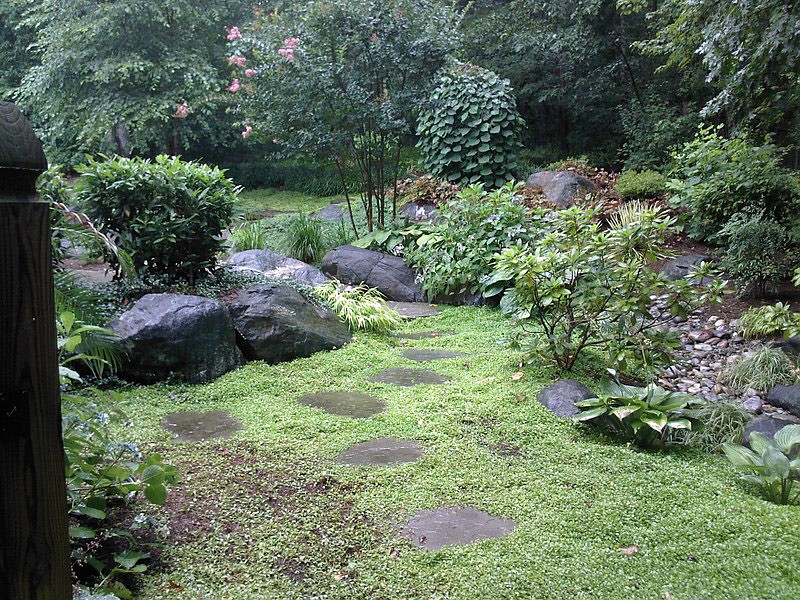
Low-Water Landscapes: 8 Ideas for Dry Gardens, from Designer Daniel Nolan

Table Of Content Blooming Flower Border Reduce the size of your lawn. Your First Garden: 5 Rookie Mistakes to Avoid This Spring Exclusive Fe...